PCOS can affect hormones, metabolism, energy levels, and overall wellbeing. A balanced, nutrient-rich diet can support better blood sugar management and healthy lifestyle habits.
What to Eat
1. Protein-Rich Foods
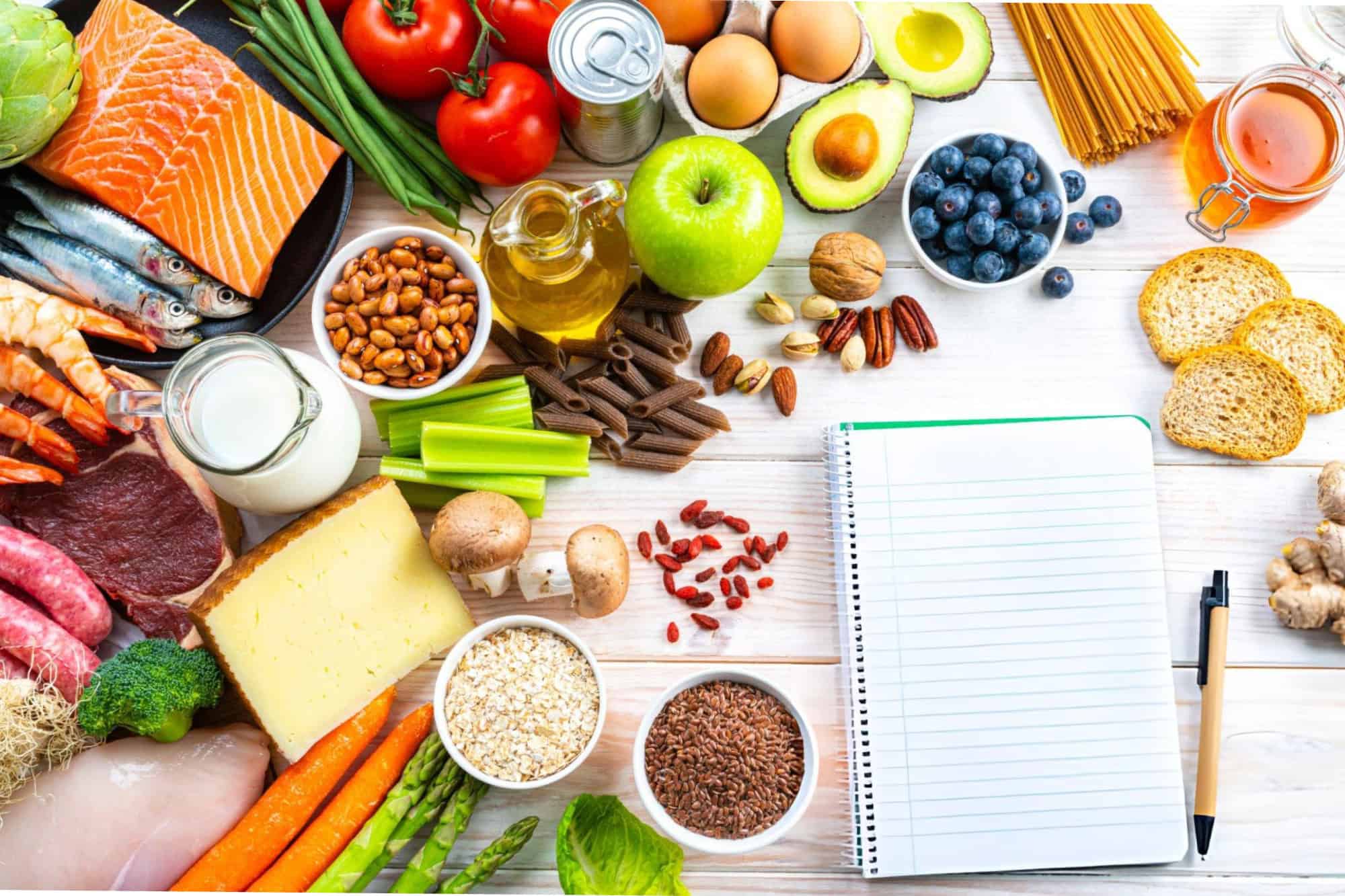
Include eggs, paneer, curd, dal, beans, tofu, fish, or chicken to support fullness and balanced meals.
2. Fibre-Rich Foods
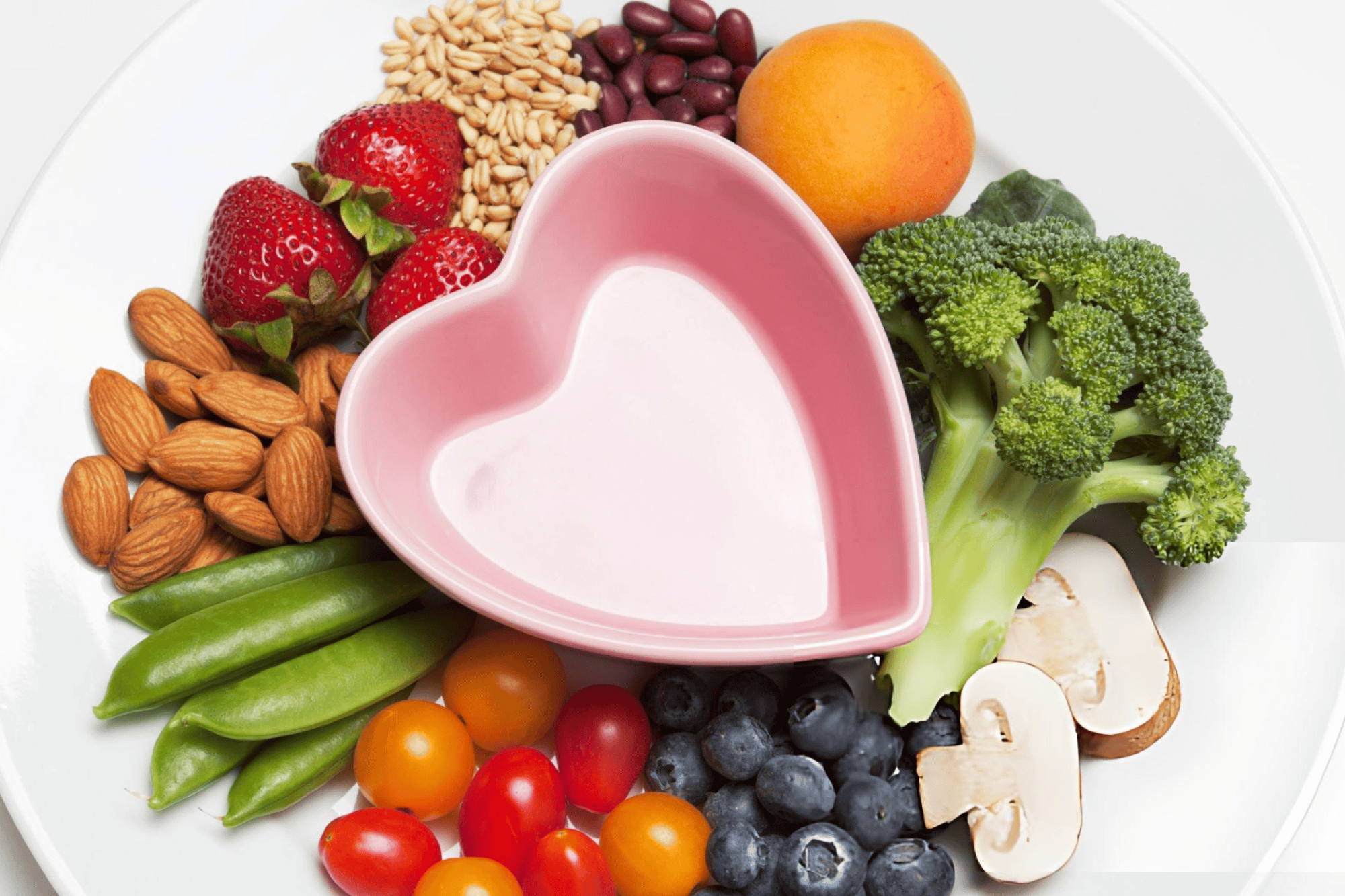
Choose vegetables, fruits, whole grains, legumes, nuts, and seeds to support digestion and overall nutrition.
3. Healthy Fats
Include foods such as nuts, seeds, avocado, and healthy cooking oils in appropriate portions.
4. Low-GI Carbohydrates
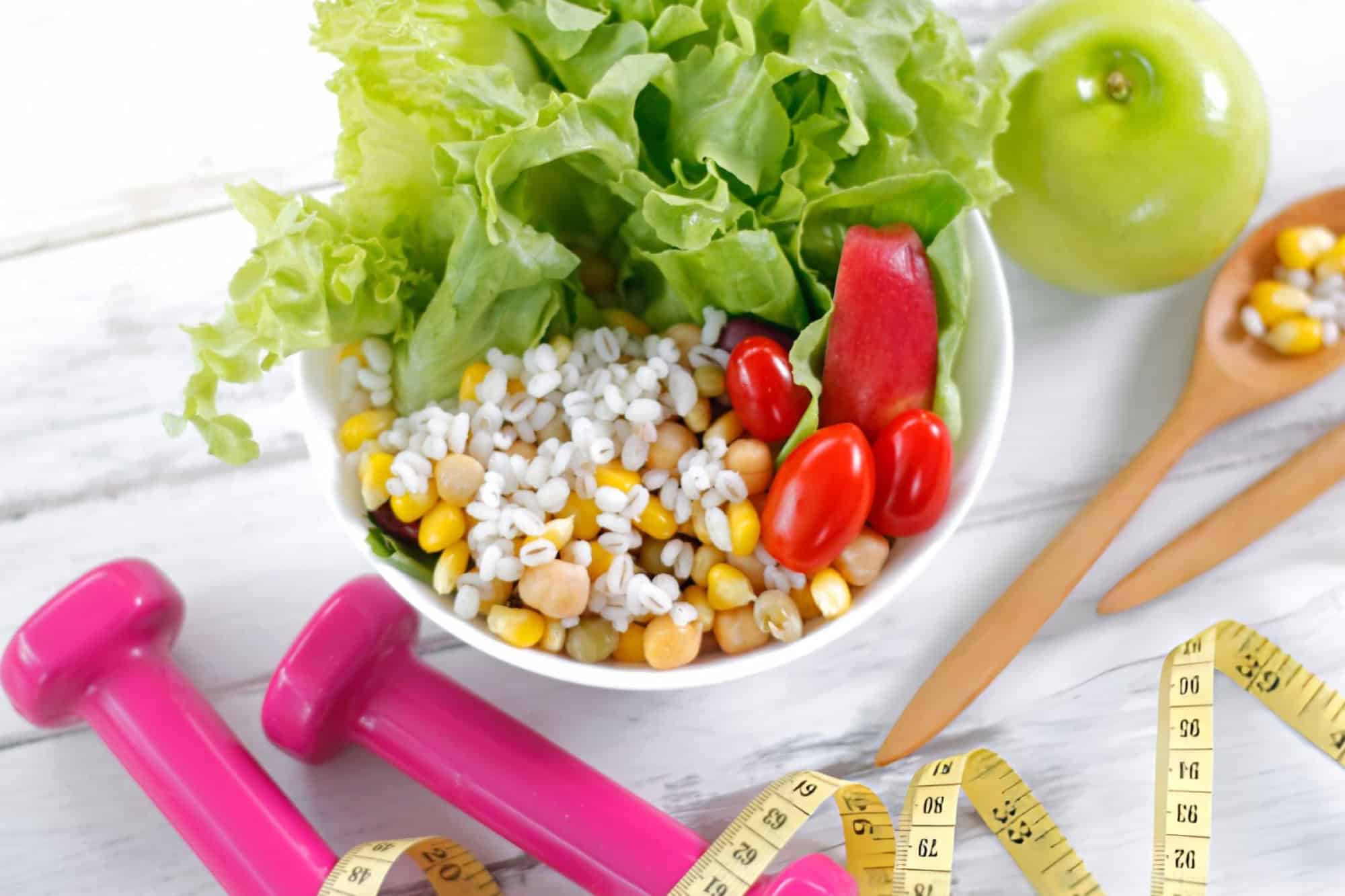
Choose whole grains, millets, oats, legumes, and other minimally processed carbohydrate sources more often.
5. Plenty of Vegetables
Fill your plate with colourful vegetables to increase your intake of fibre, vitamins, and minerals.
What to Limit
1. Highly Processed Foods
Limit packaged snacks, highly processed meals, and foods that are high in added sugar or unhealthy fats.
2. Sugary Drinks
Reduce soft drinks, sweetened juices, and other beverages with high amounts of added sugar.
3. Refined Carbohydrates
Limit frequent intake of refined foods such as sugary cereals, pastries, sweets, and refined flour products.
4. Excessive Fried Foods
Keep deep-fried foods occasional and choose lighter cooking methods such as grilling, steaming, baking, or sautéing.
Simple Tips for a PCOS-Friendly Diet
- Don’t skip meals regularly.
- Include protein and fibre in your meals.
- Choose whole and minimally processed foods more often.
- Stay hydrated throughout the day.
- Focus on consistency rather than restrictive dieting.
There is no single PCOS diet that works exactly the same way for everyone. Your nutritional needs depend on your symptoms, lifestyle, health goals, food preferences, and overall health.
A personalised nutrition approach can help you build sustainable eating habits without unnecessary restrictions.